Styling Tips
What to Wear for Your Portrait Session: A Stylist's Guide
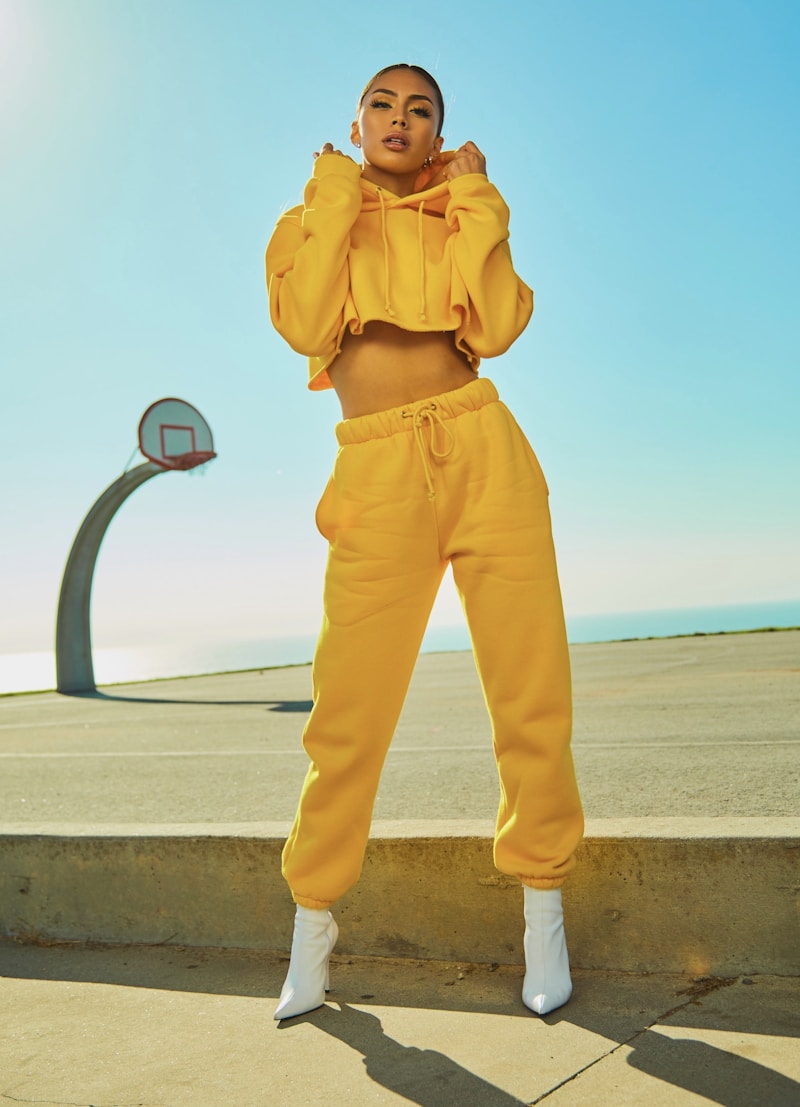
The question I get asked more than any other, by far, is: what should I wear? It makes sense — what you wear in your photos will define how you see yourself in those images for years to come. As someone who works as both a photographer and a stylist, I approach this from both sides of the camera. Here is the advice I give every client before their session.
Start with intention, not your wardrobe
Before you open your wardrobe, think about what these photos are for. A corporate headshot demands a different approach than a creative personal branding session. A fashion portfolio shoot is a different world from a birthday portrait gift. The purpose shapes everything — colour palette, formality, accessories, and energy.
Ask yourself: who will see these photos? What do I want them to think and feel? That clarity makes the styling decisions much simpler.
Colours that work on camera
Solid colours almost always photograph better than patterns. The camera sees pattern as noise — it competes with your face for attention. If you want to wear a pattern, keep it subtle: fine stripes, small-scale textures, or tonal variations within the same colour family.
The most flattering colours on camera tend to be muted, rich tones: deep burgundy, forest green, navy, warm cream, camel, slate grey, and dusty rose. These work across most skin tones and photograph consistently well in both natural and studio light.
Avoid bright white (it reflects light and draws the eye away from your face) and all-black (it absorbs light and can look flat without careful lighting). If you love wearing black, pair it with a textured accessory or statement jewellery to add visual interest.
Fabrics that photograph well
Texture matters more than most people realise. Fabrics with a subtle surface — wool, cashmere, silk, linen, suede — add depth and richness to images. They catch light in interesting ways and create visual warmth.
Fabrics to avoid: anything with a high sheen that creates hot spots under lighting (cheap satin, polyester blends), and anything that wrinkles badly during transport. If you're bringing outfits to the studio, steam or press them before packing. A creased collar or wrinkled sleeve is distracting in a close-up portrait.
The rule of three outfits
For a standard portrait session, I recommend bringing three outfits. The first should be your safest choice — the outfit you know you look and feel great in. The second should be slightly elevated — something you might not wear daily but that represents the version of yourself you want to project. The third can be your wild card — something bold, creative, or unexpected.
This gives you variety in the final gallery without the overwhelm of choosing between ten options. And there's a practical benefit: if the first outfit doesn't work on camera (it happens), you have backups ready to go.
Accessories make the photograph
One of the biggest differences between a good portrait and a great one is often a single well-chosen accessory. A structured earring catches the light. A silk scarf adds movement. A watch or bracelet gives the hands something to interact with, which makes the entire pose look more natural.
Bring more accessories than you think you'll need. I will often style them differently during the shoot — swapping earrings, removing a necklace, adding a belt — to create variety across the images.
What to avoid
- Logos and branding. Unless the shoot is specifically for that brand, visible logos date the image and distract from you.
- Overly trendy pieces. Trends change every season. Classic silhouettes ensure your photos look current for years, not months.
- Ill-fitting clothes. This is the most common mistake. Something too tight creates lines and tension in your body. Something too loose hides your shape and looks sloppy on camera. Tailored fit, every time.
- New shoes you haven't broken in. If you're uncomfortable, it shows in every frame.
- Too many competing elements. One statement piece per outfit. Let it breathe.
Hair and makeup considerations
Keep your hair and makeup close to what makes you feel like yourself, just elevated slightly. A full glam look that you never wear in real life will feel disconnected from your identity. Professional hair and makeup are worth the investment for editorial or branding sessions, but the brief should always be enhancement, not transformation.
For skin, matte or natural-finish foundation photographs best. Heavy shimmer or glitter can create unwanted reflections under studio lighting.
A note on confidence
The most important thing you can wear to a photoshoot is confidence. That sounds abstract, but it's practical: wear something that makes you feel powerful, comfortable, and like yourself. When you feel good, your body language opens up, your expression relaxes, and the camera captures the version of you that everyone else already sees.
Every session I do includes a styling consultation for exactly this reason. We'll discuss your wardrobe options before the shoot so you arrive feeling prepared and excited, not anxious.