Licensing
Photography Usage Rights, Explained Plainly
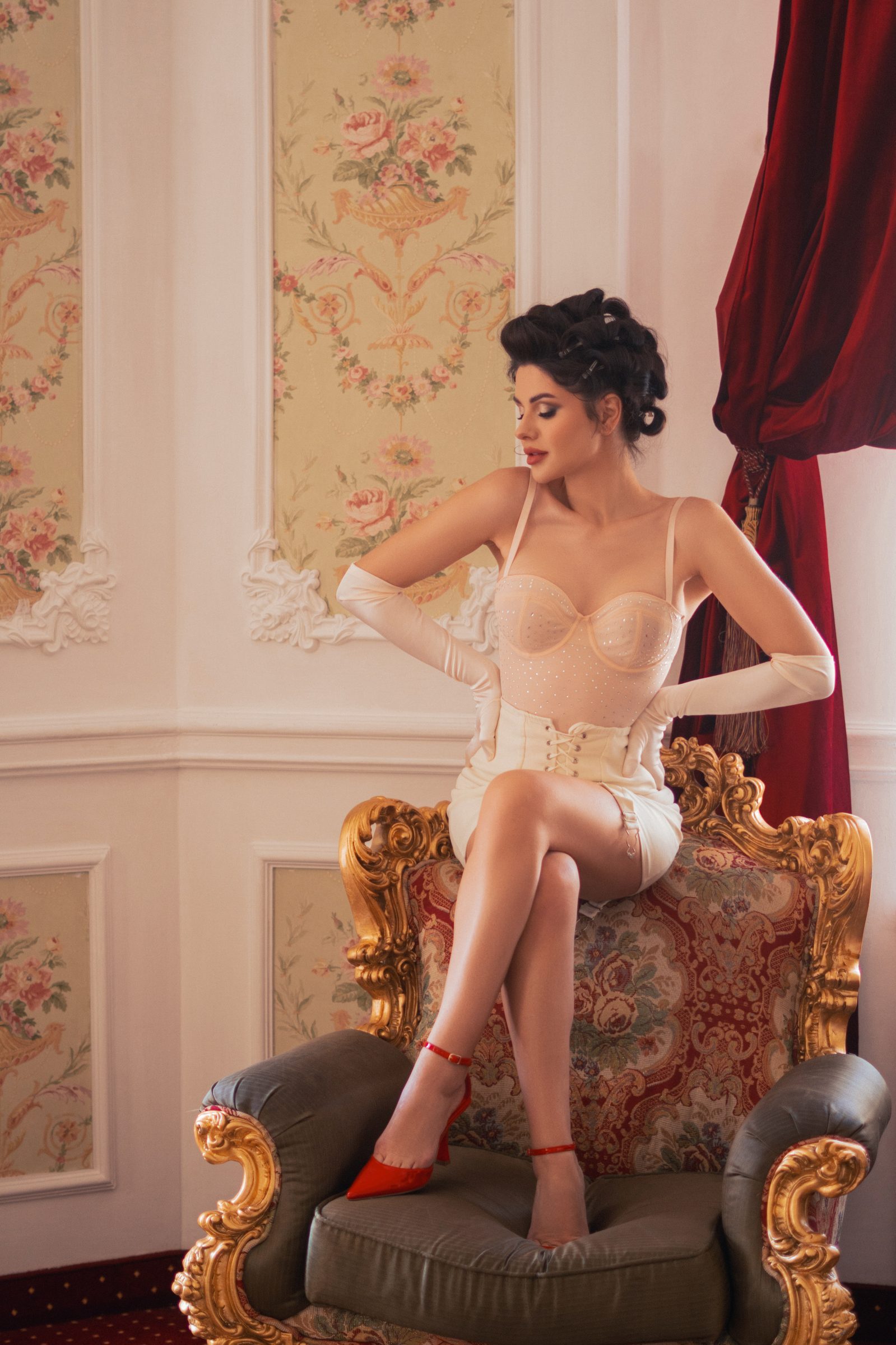
Short answer: when you pay for a shoot you buy a licence to use the images, not the images themselves. Copyright stays with the photographer (UK law default); the licence defines where, how long and how exclusively you can use the work. That's why "can we also run it as ads?" changes the price — you're buying more usage, not more photos.
If you’re commissioning product and brand photography from Mariya, list everywhere the images will appear. For example, your own shop, a stockist’s website and a paid Instagram ad are three uses to discuss in the quote. Include the countries and how long you want each use to run.
Common licence terms
| Licence | Covers | Cost impact |
|---|---|---|
| Personal | your own profiles, prints | baseline |
| Social / organic | brand's own social channels | +modest |
| Full commercial | website, ads, OTAs, print, packaging | largest uplift |
| Exclusive licence | Use reserved to the licensee within the agreed scope | premium |
What I include by default
Hotel commissions have a licence agreed by channel, territory and term before booking. Brand and commercial photography is licensed to the brief. Tell me which channels you need so I can include them in the quote.
Common questions
Do I own the photos from my photoshoot?
You own a licence to use them; copyright stays with the photographer by default under UK law. Your licence defines where (social, web, ads, print), for how long, and whether it's exclusive — which is what commercial quotes are priced on.
What does full commercial usage mean?
The quotation sets the scope. List the website, advertising, booking platforms, print and social placements you need, then agree the territory, term and fees before booking.
Why does exclusivity cost more?
Exclusivity limits other uses of the work within the channels, territories and dates you agree. Specify those limits in the quote, including whether the photographer can show the work in a portfolio.